
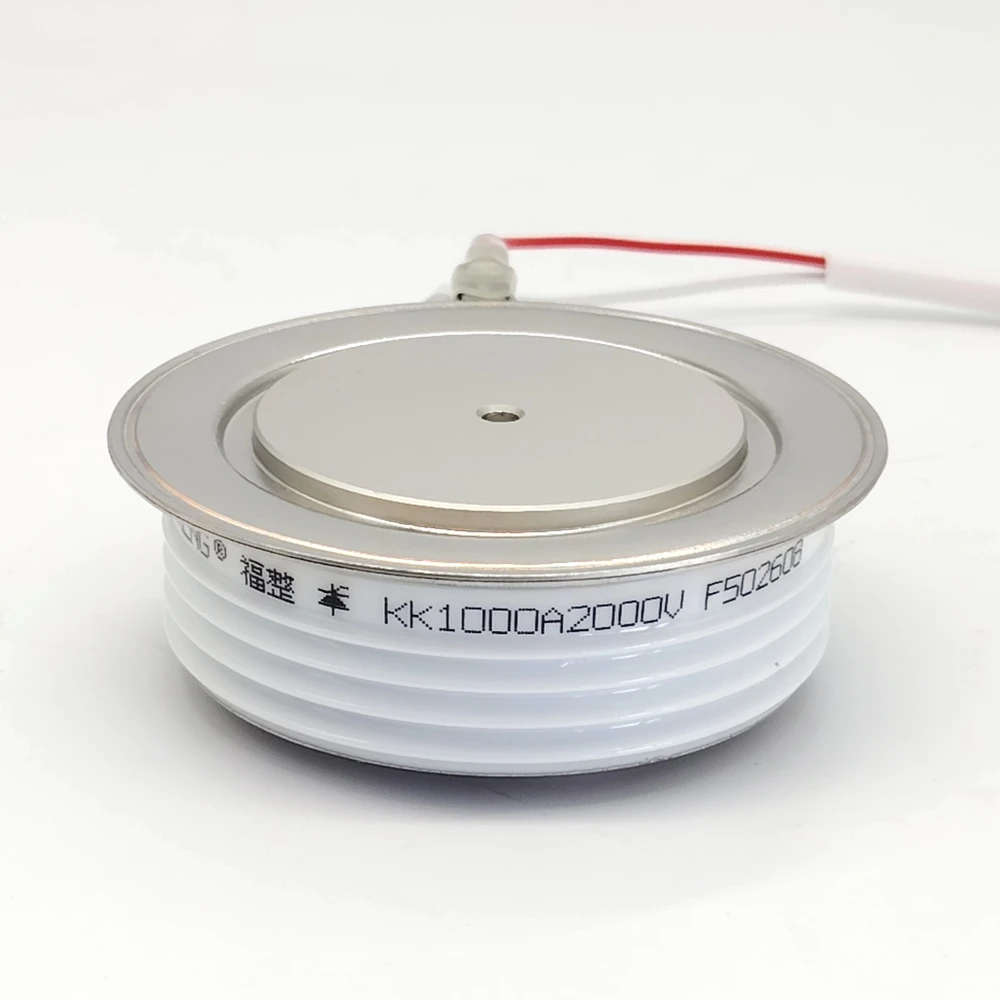
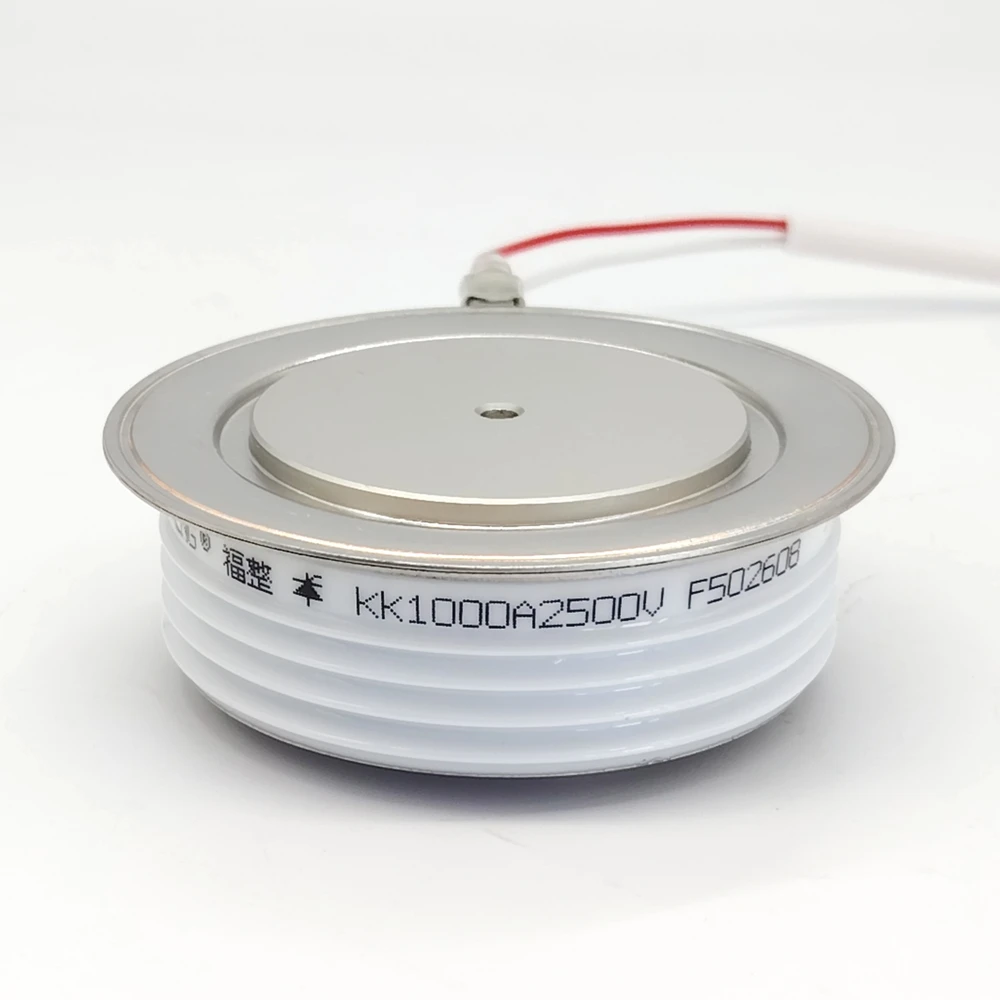
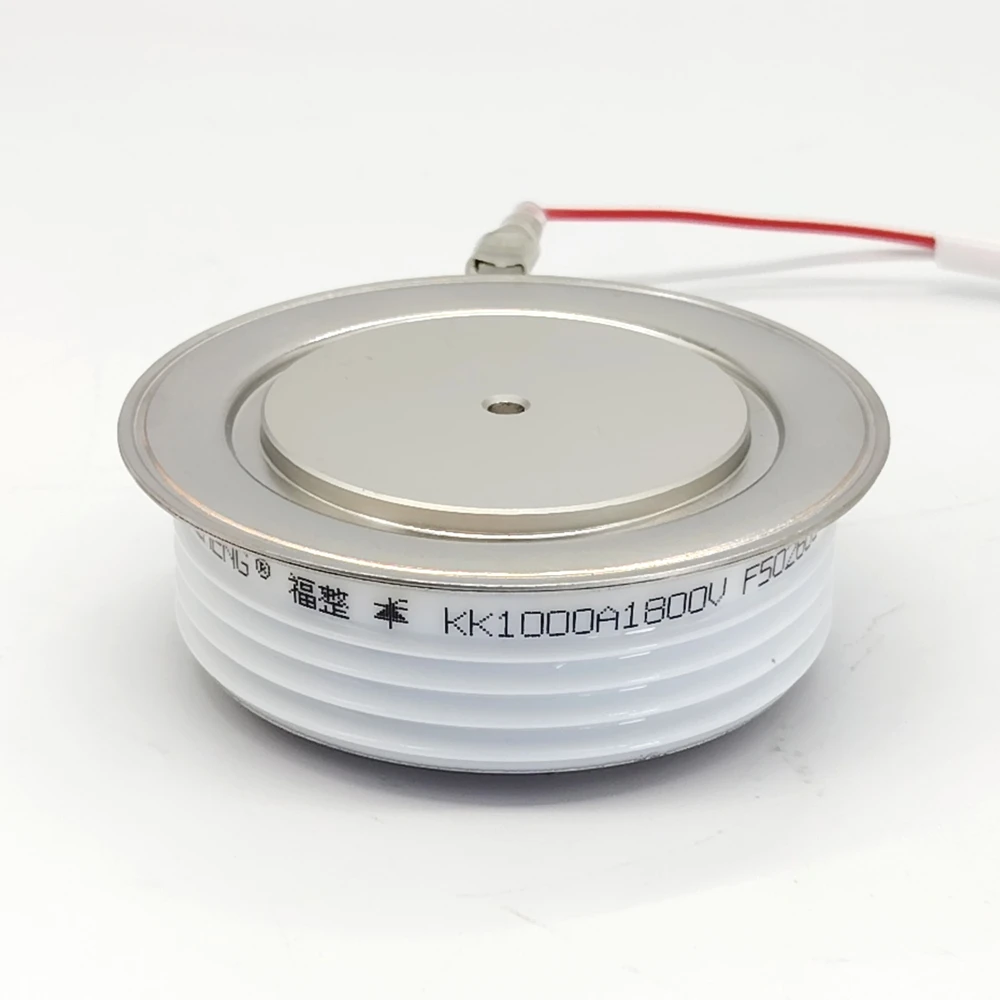
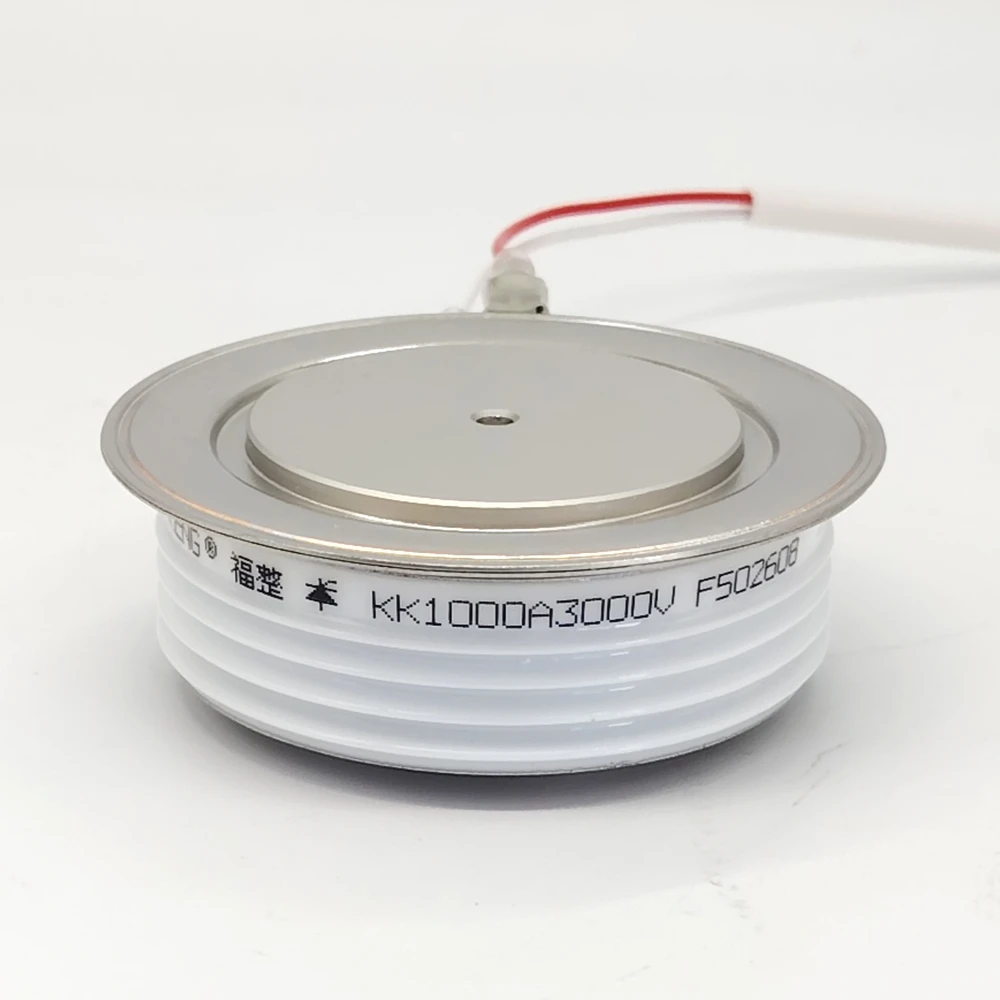
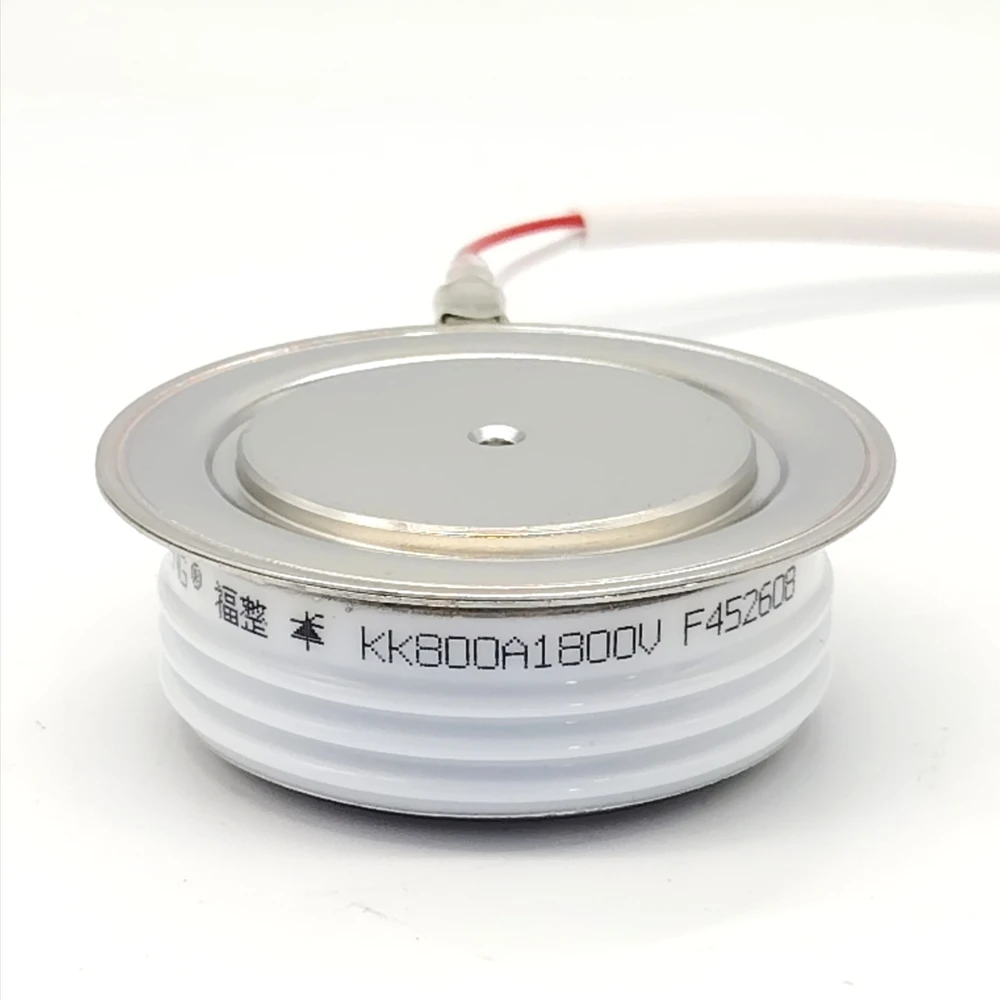
KK1000A2000VKK fast thyristors
View detailsKK
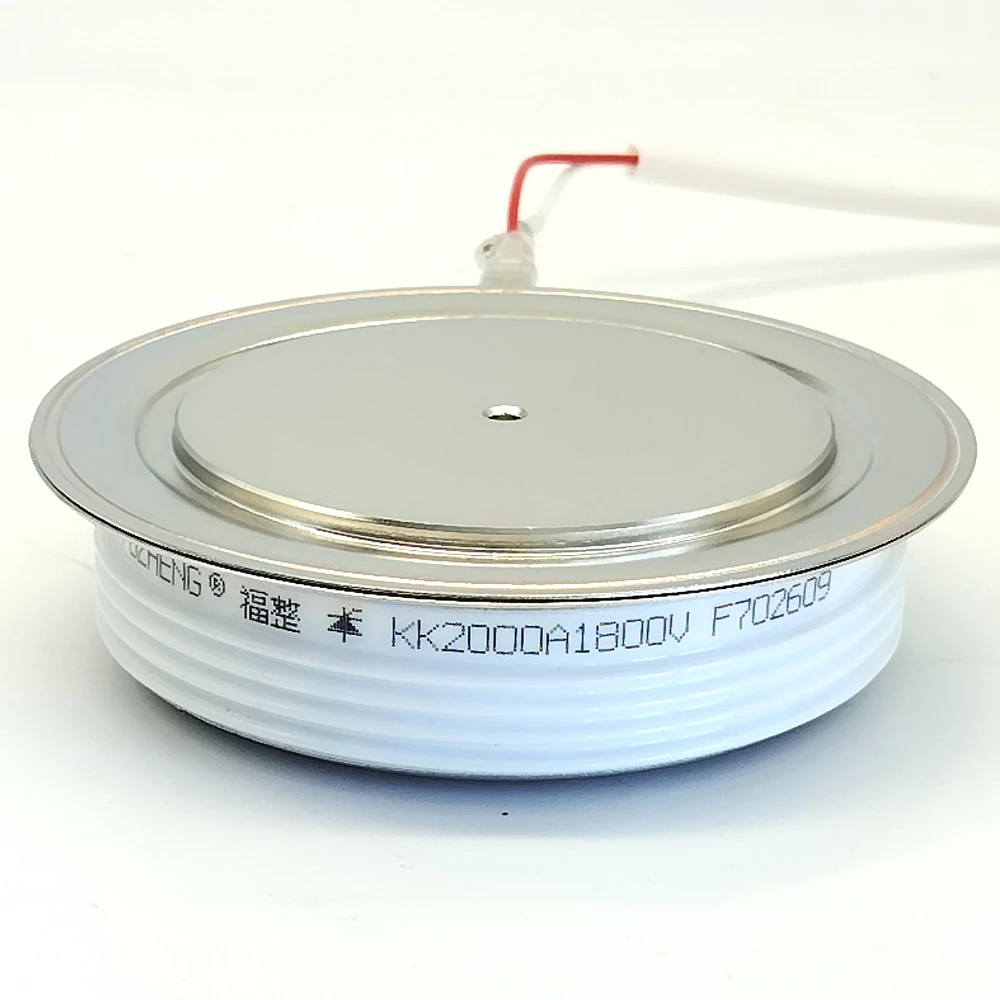
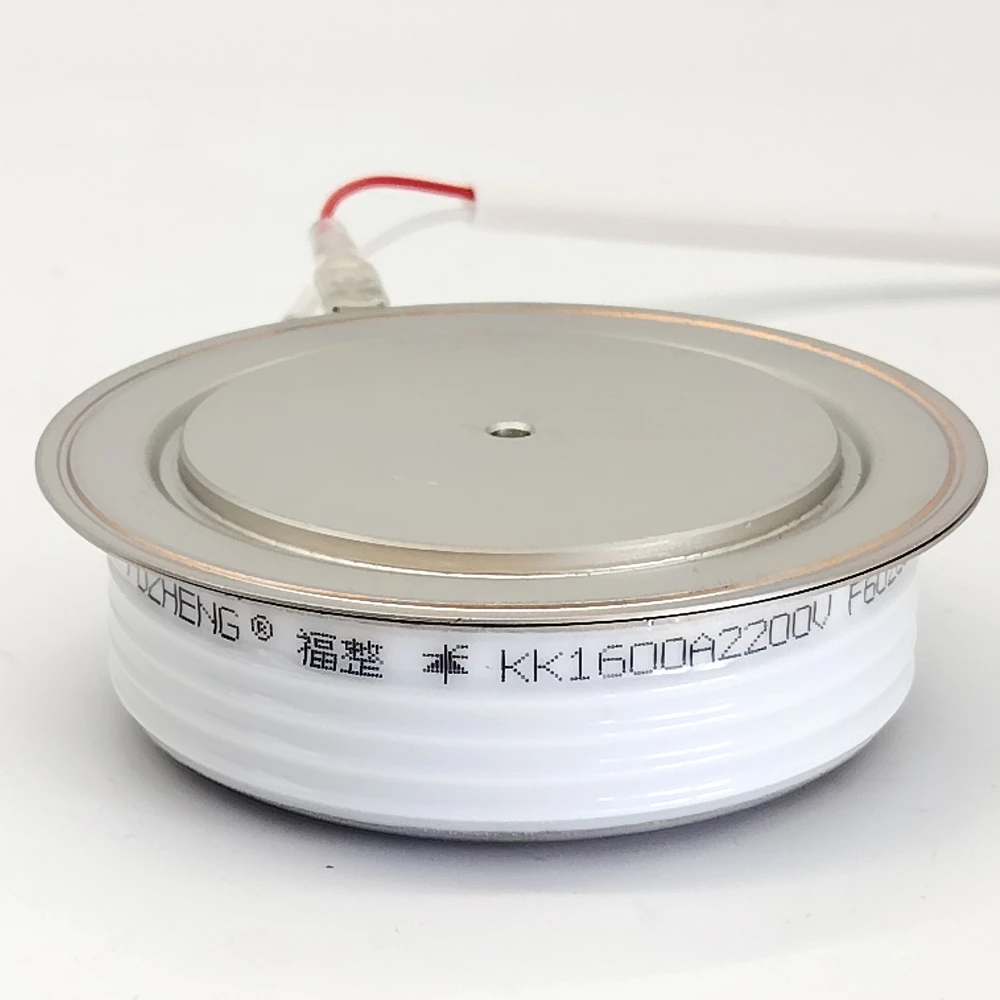
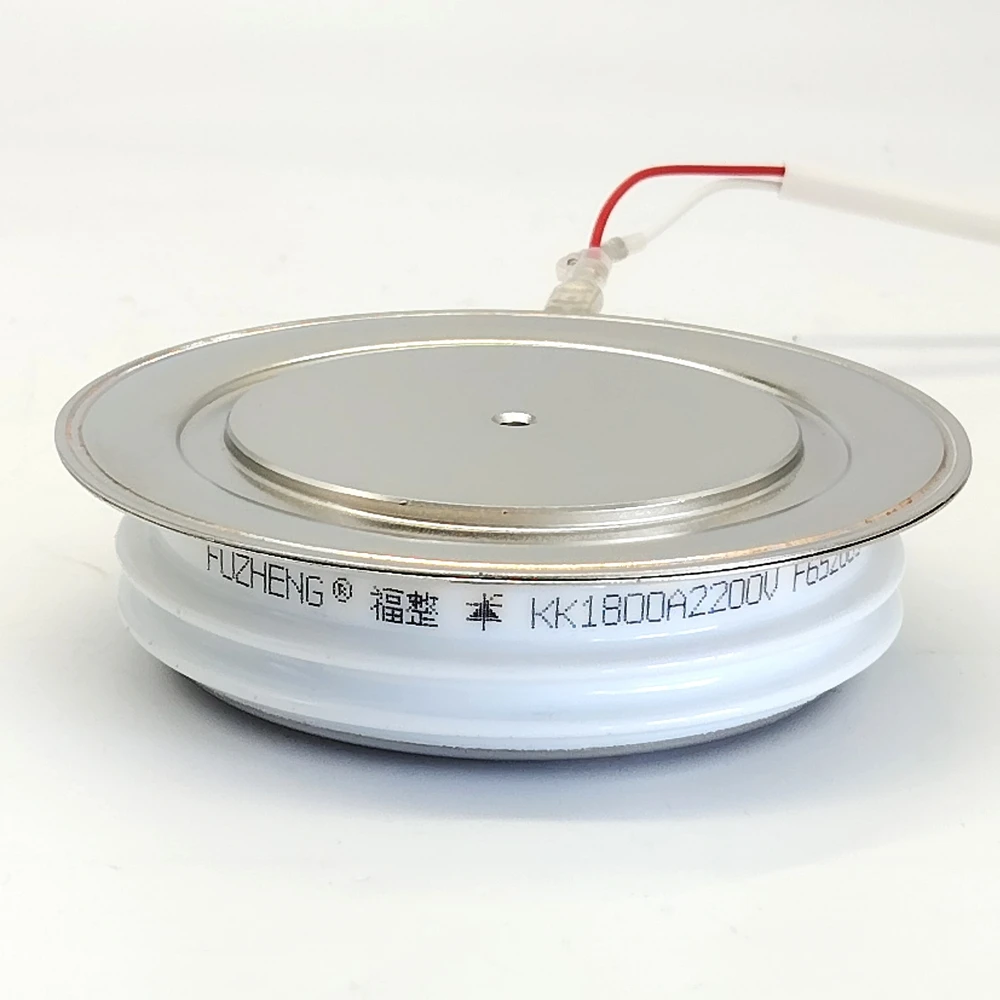
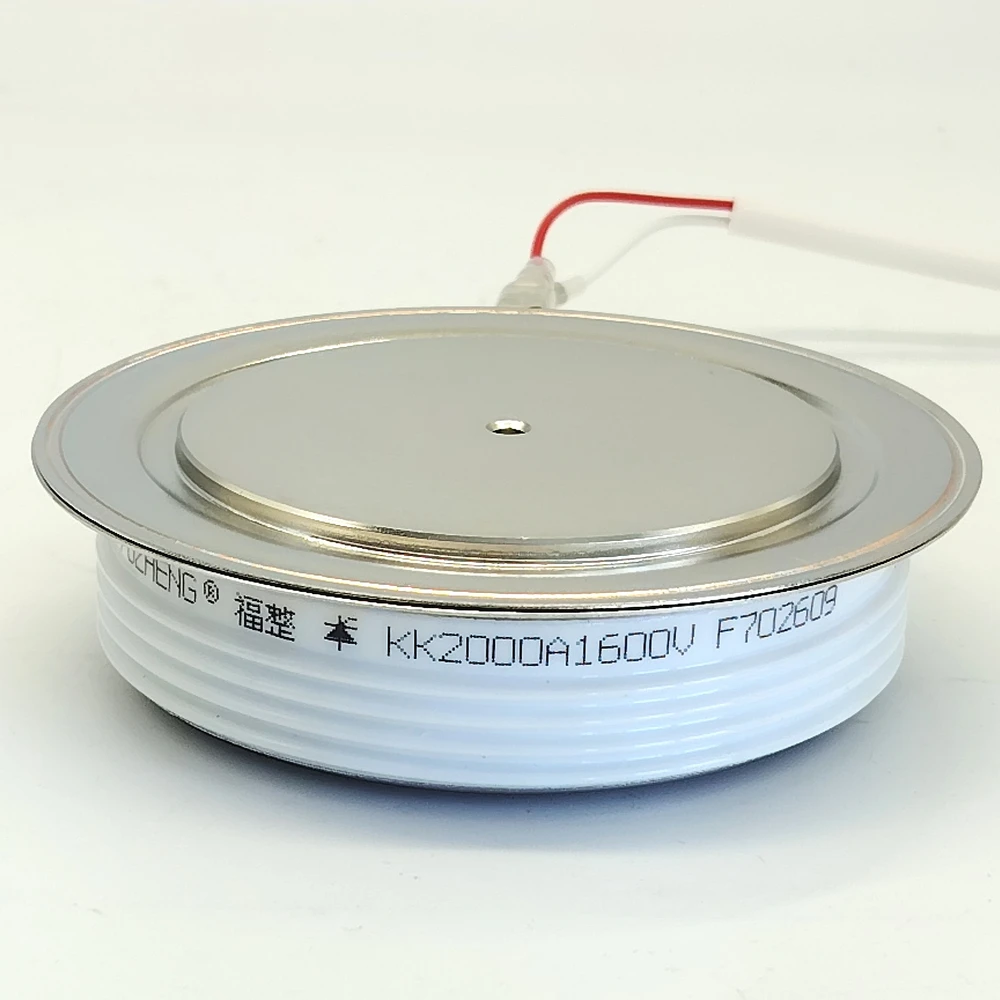
KK fast thyristors are manufactured using a fully diffused process and housed in disc-type ceramic packages. They support double-sided cooling and feature fast switching, short turn-off time and low high-frequency losses. Main applications include medium- and high-frequency inversion, choppers, pulsed power supplies, induction heating, electric welding machines, frequency converters, and AC and DC motor speed control. Select the gate trigger circuit and cooling conditions to match the operating frequency, turn-off time, on-state current and voltage class.
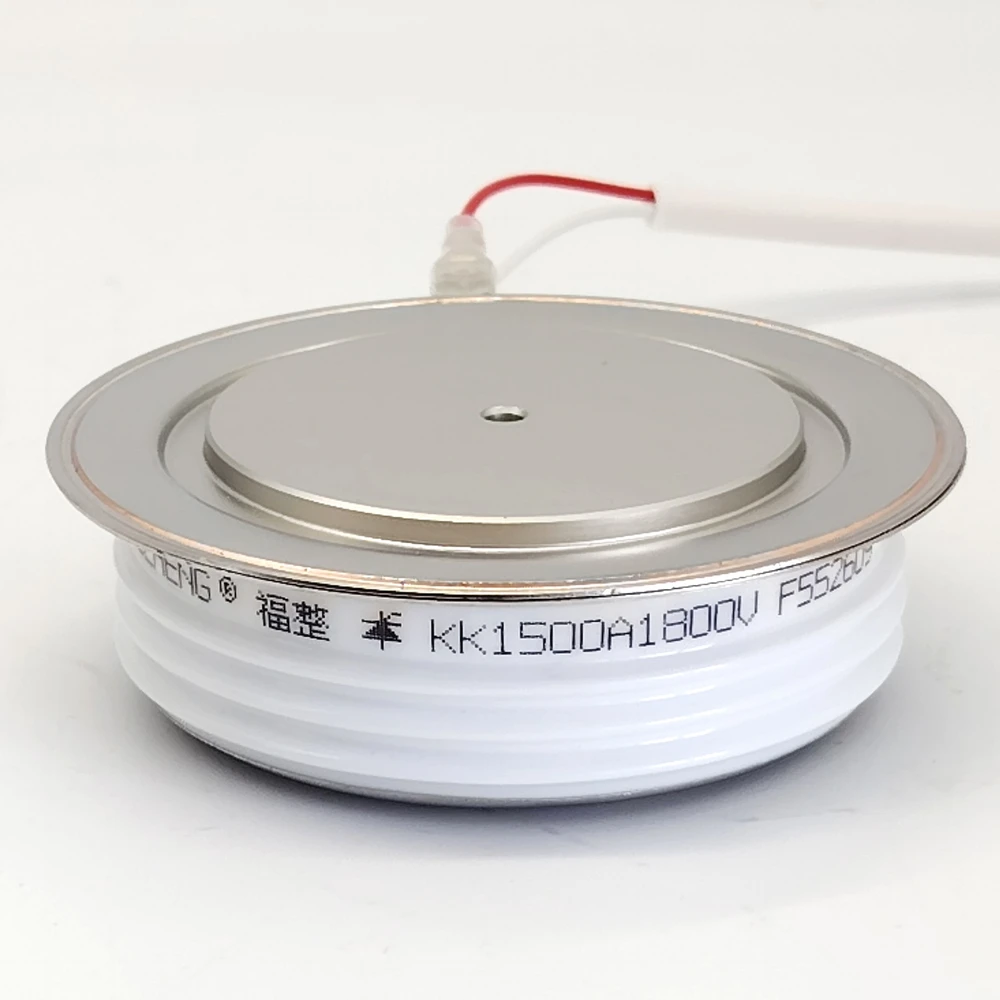
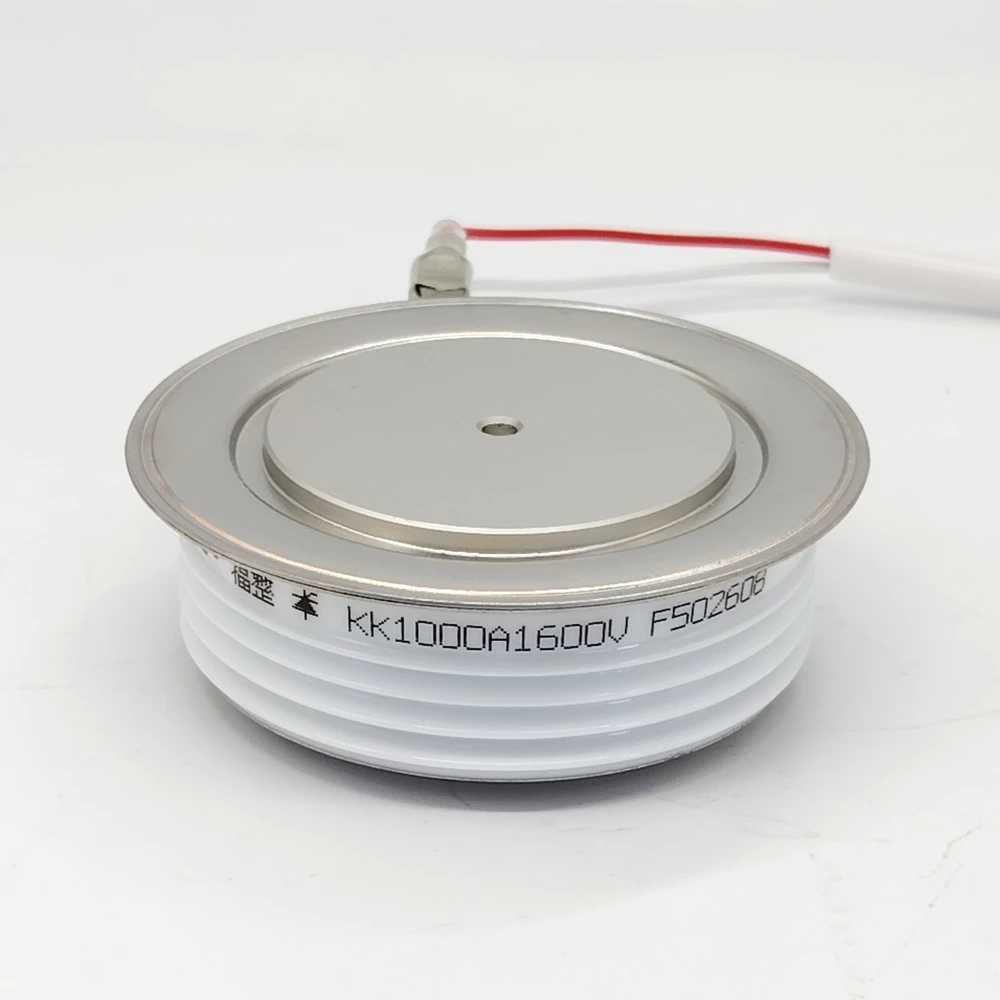
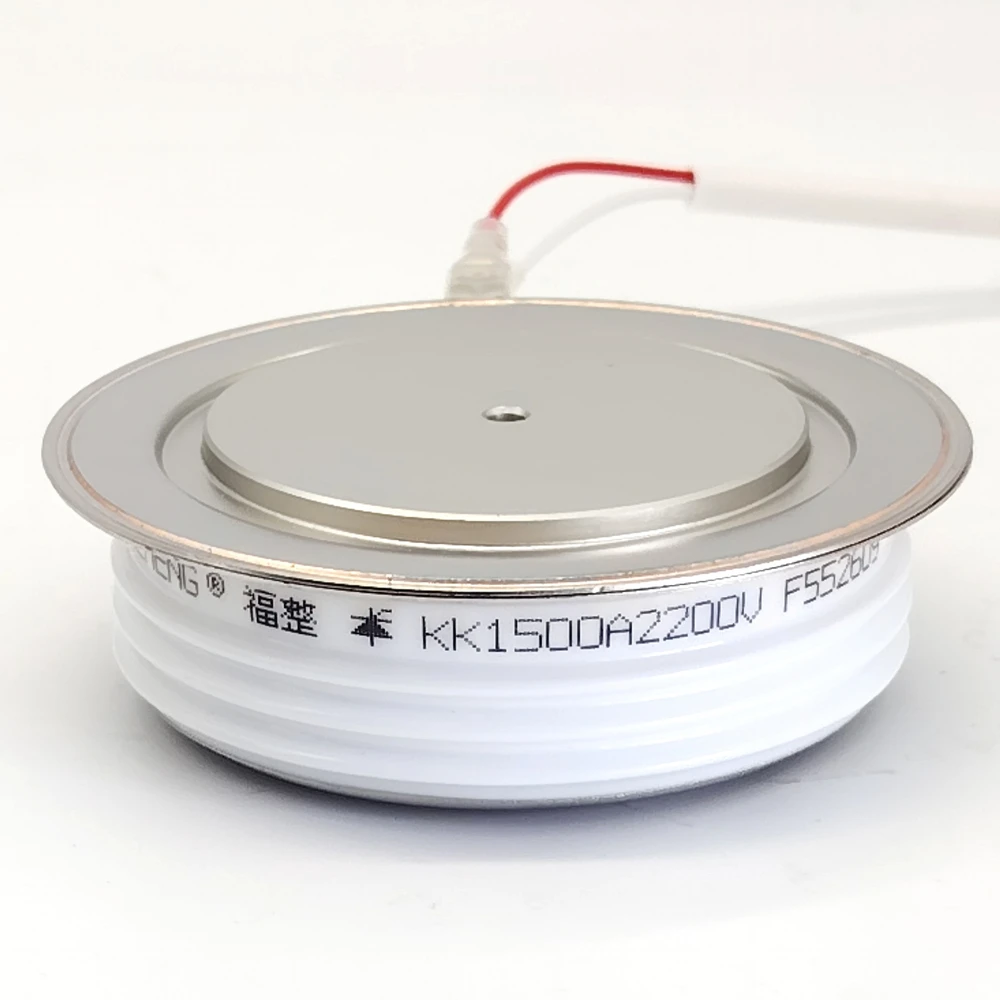
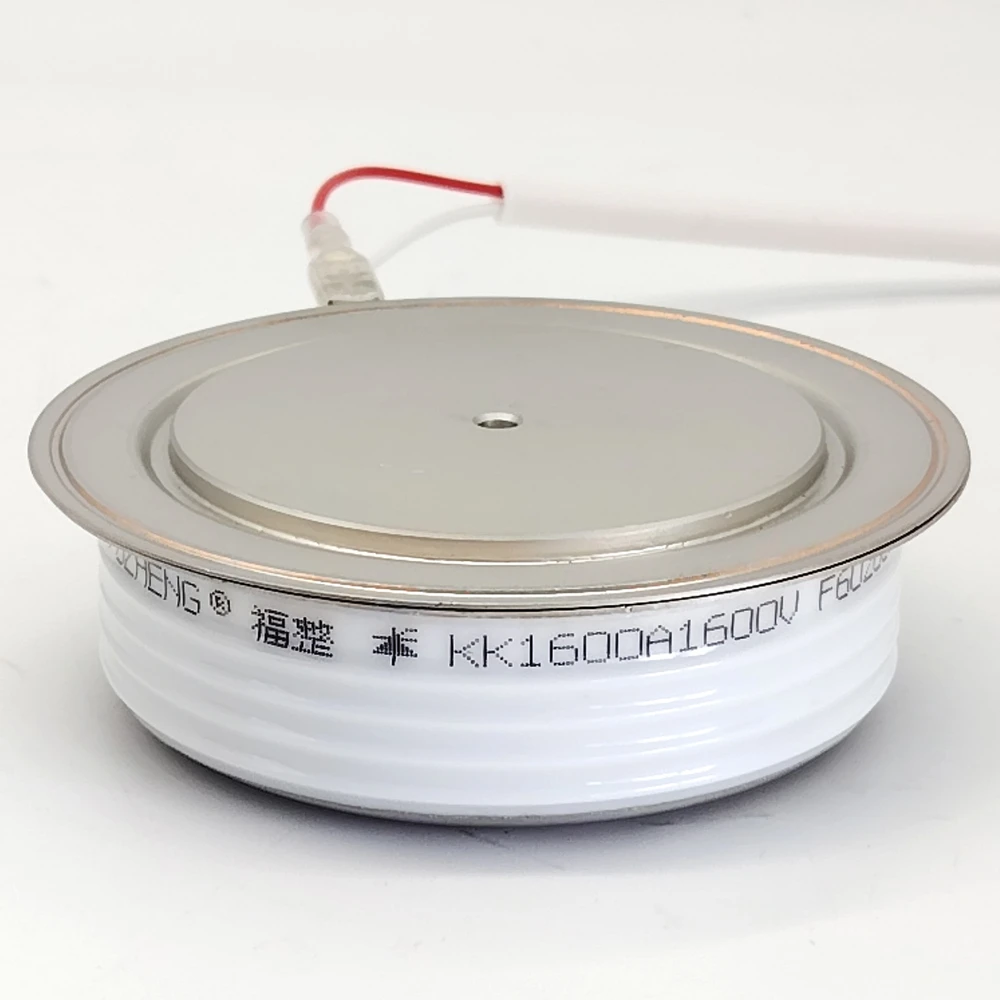
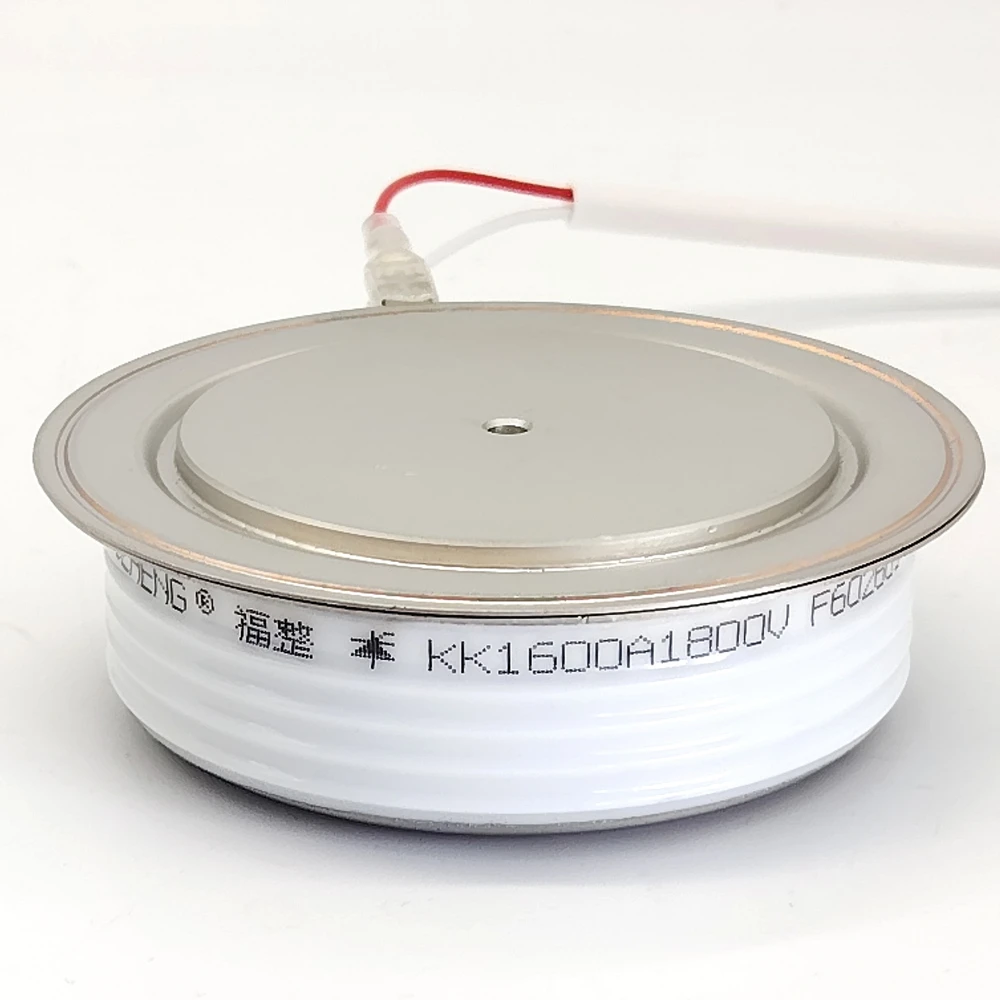
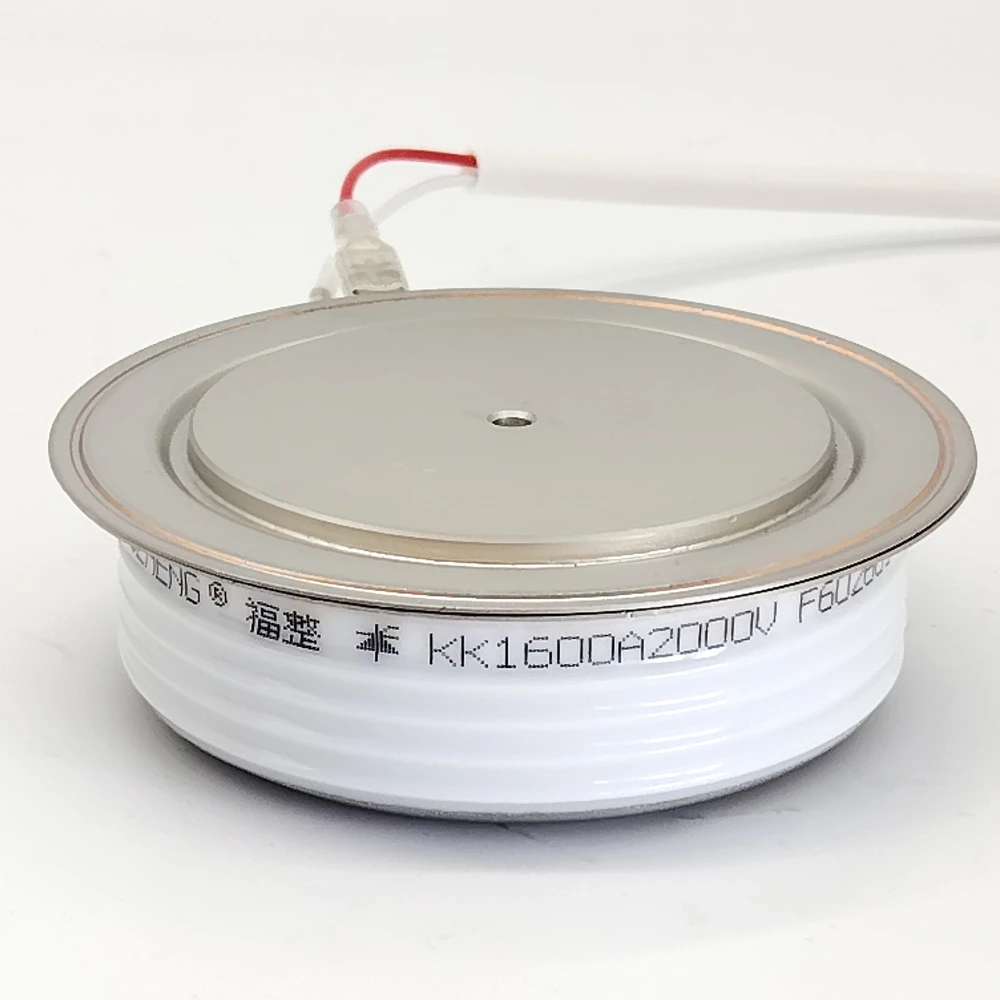
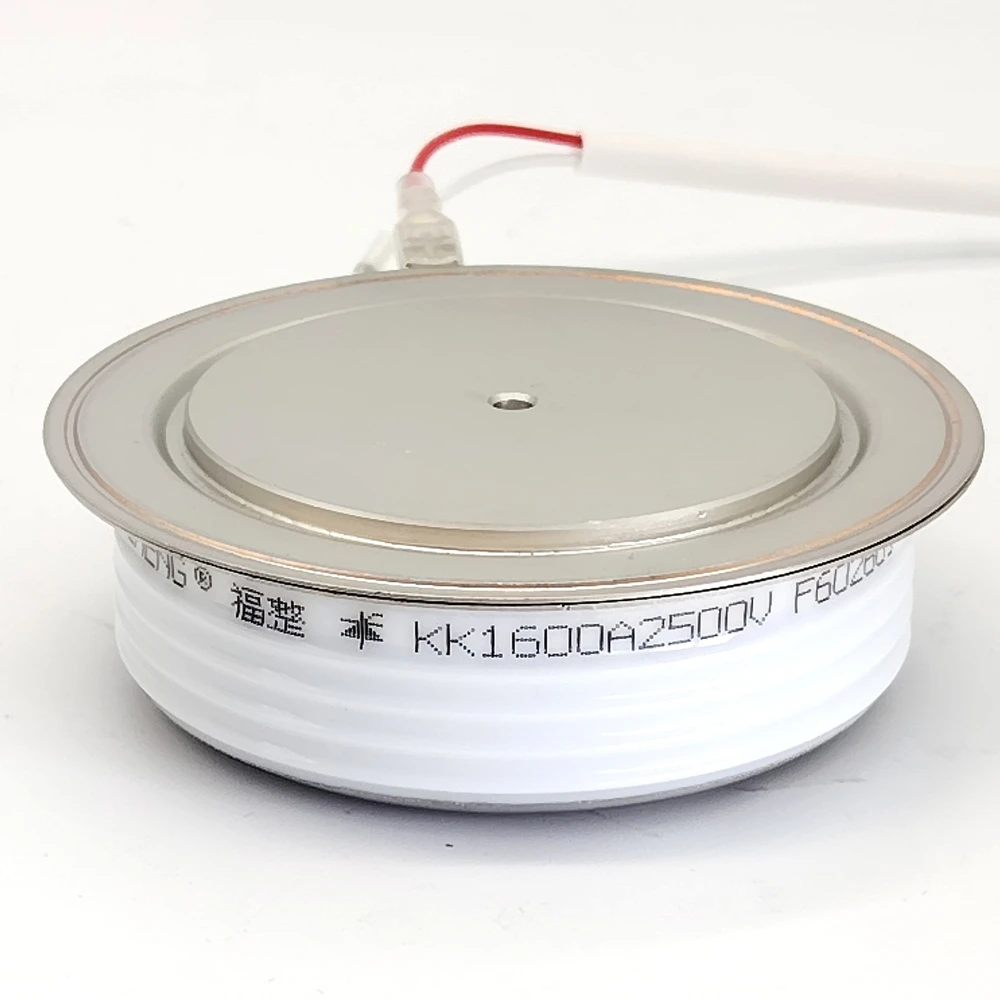
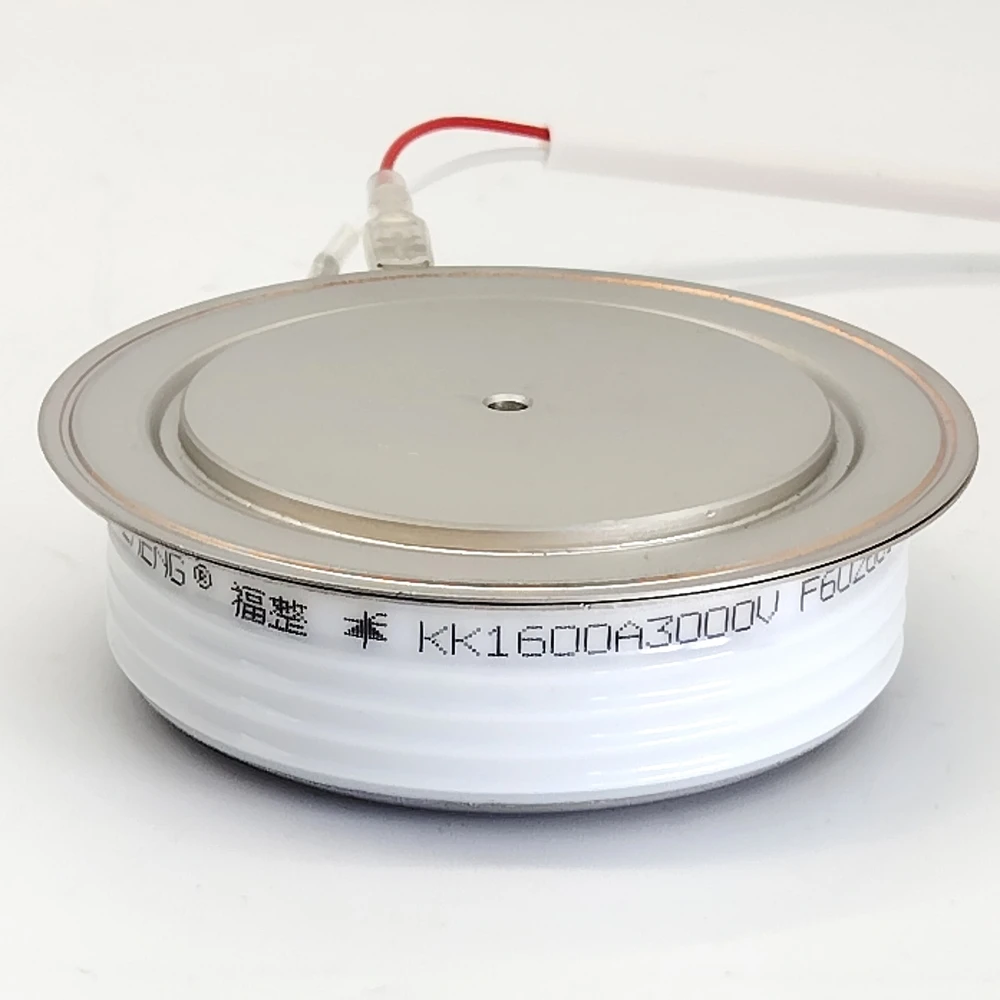
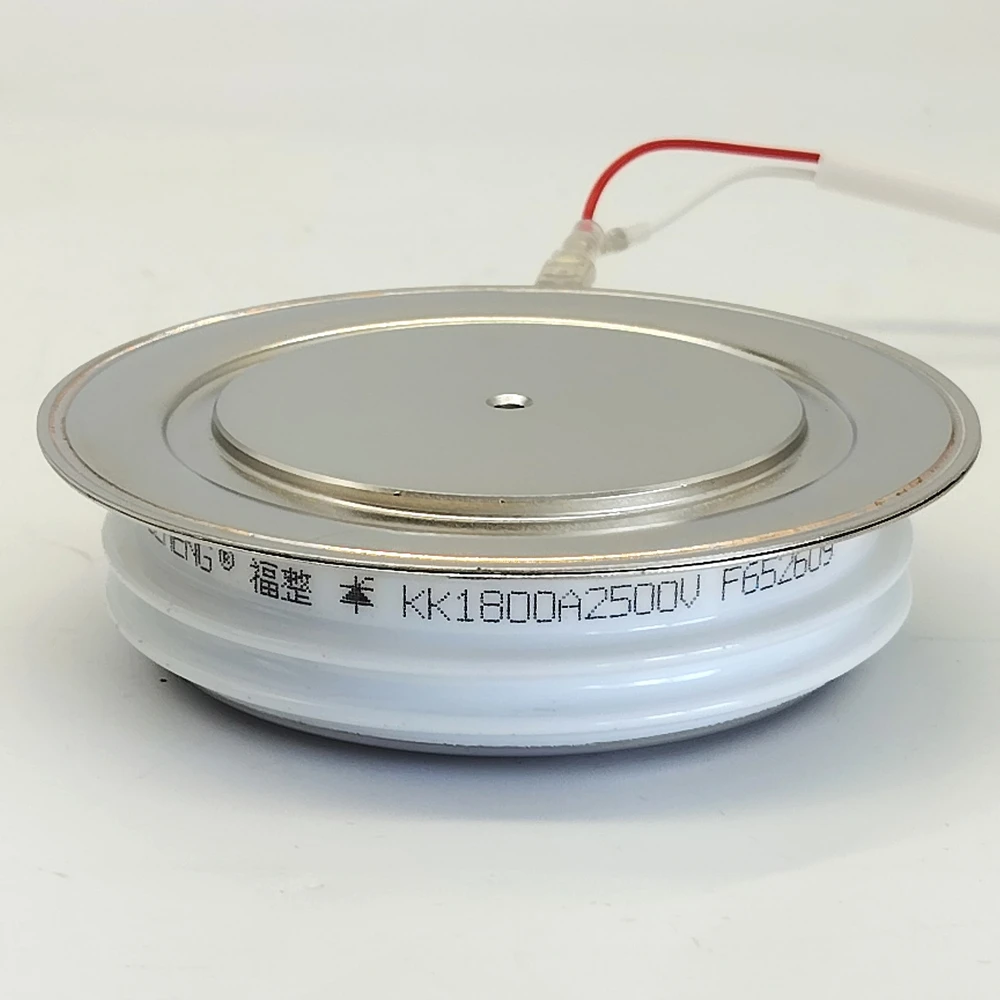
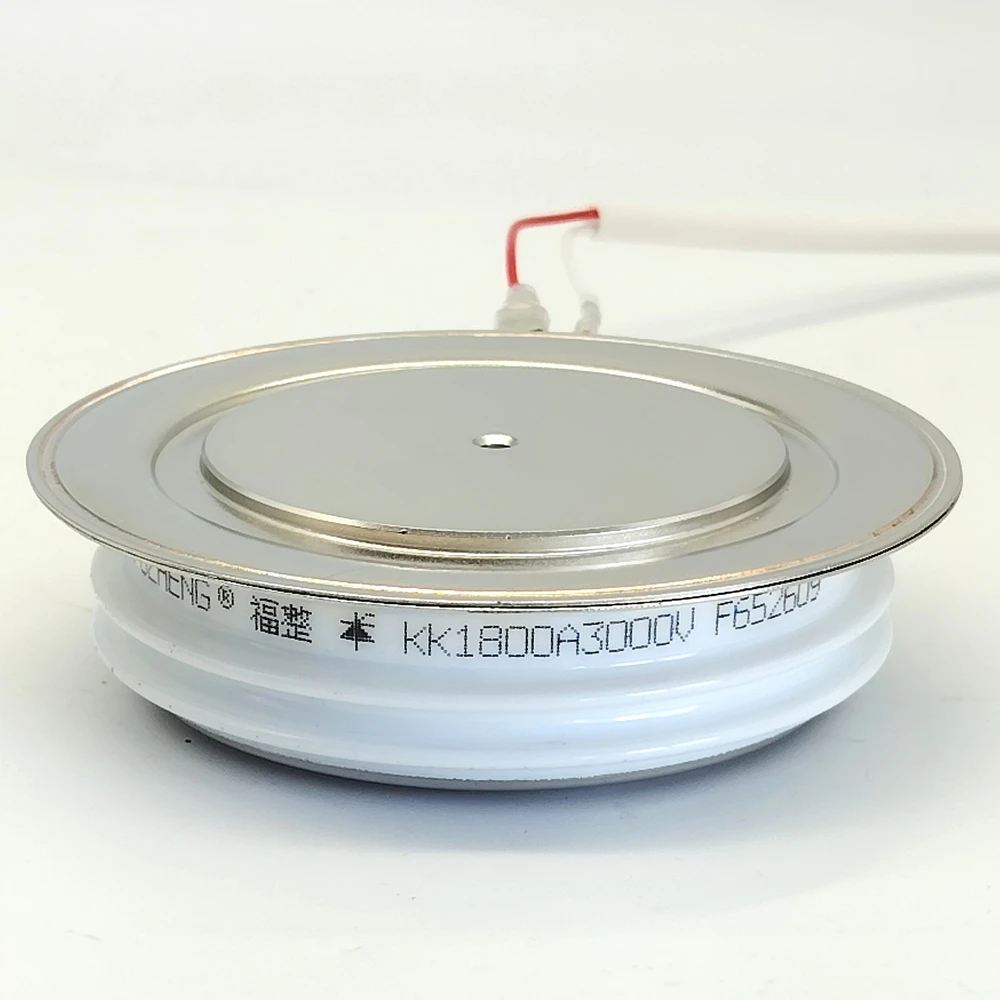
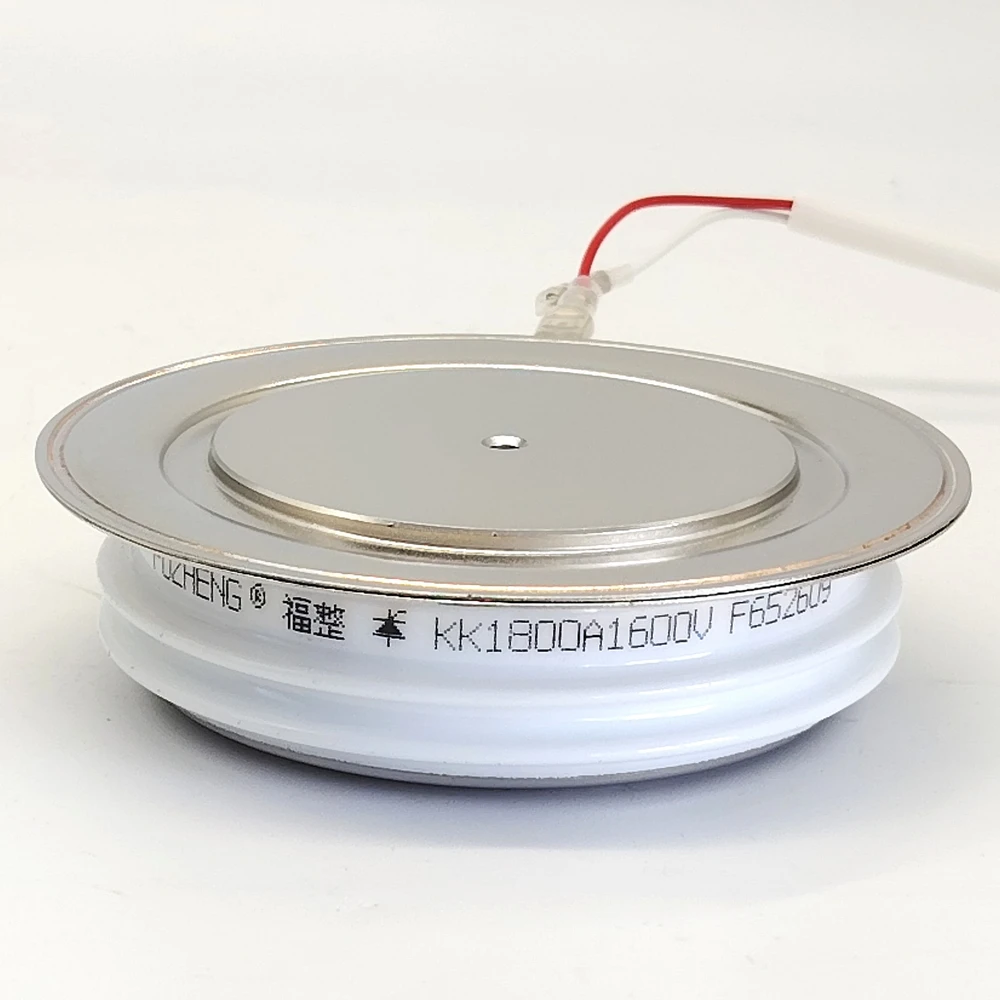
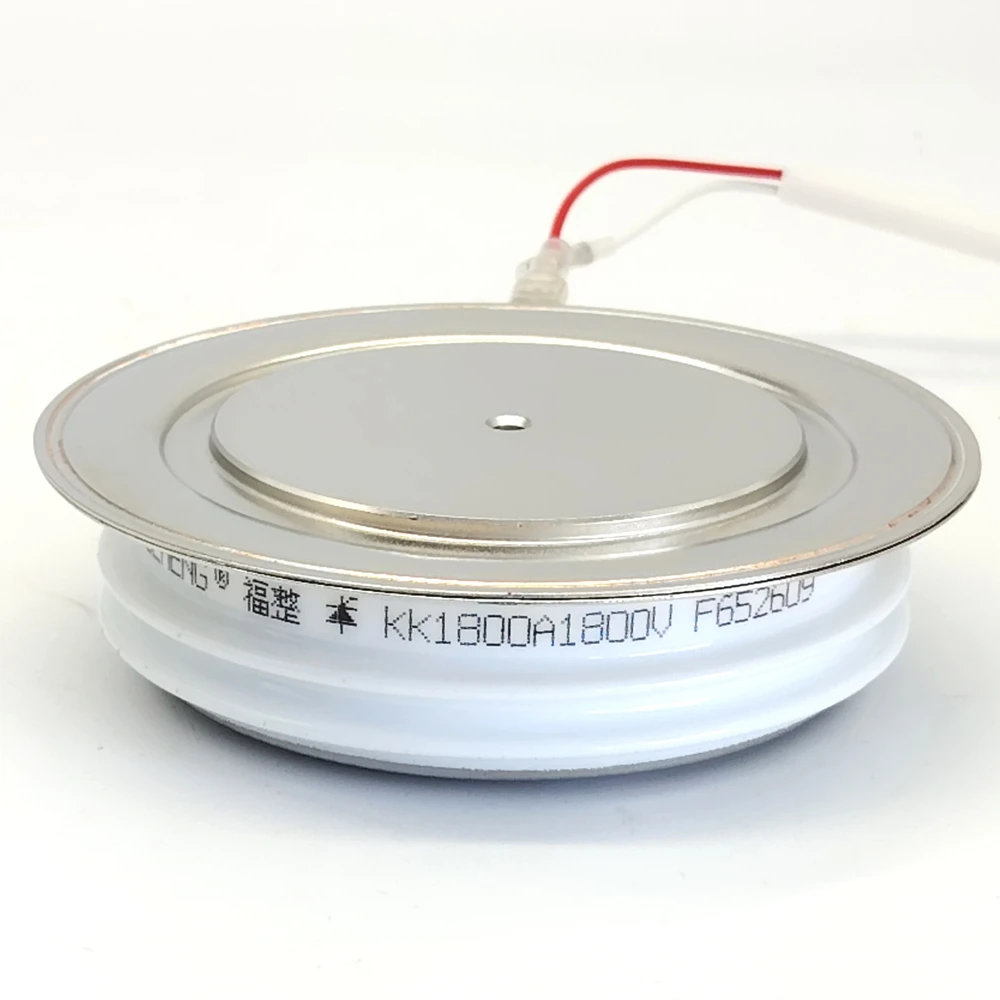
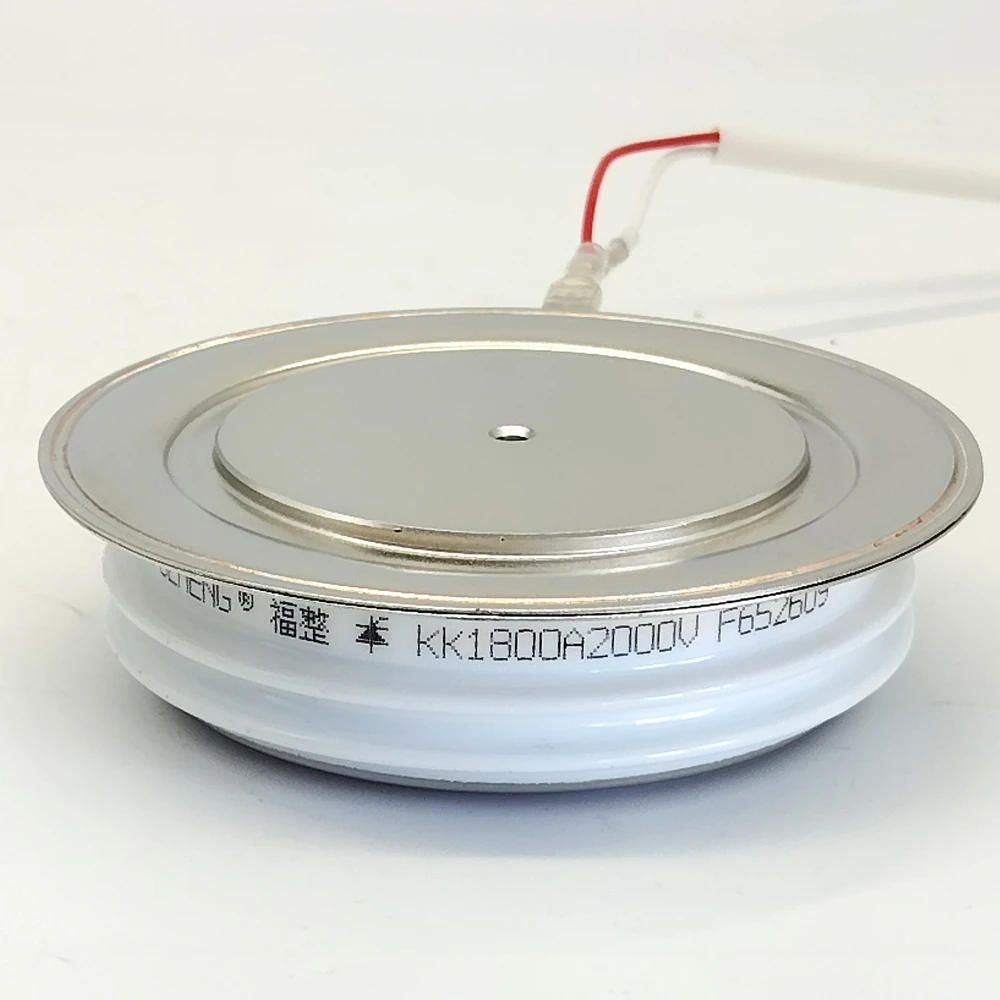
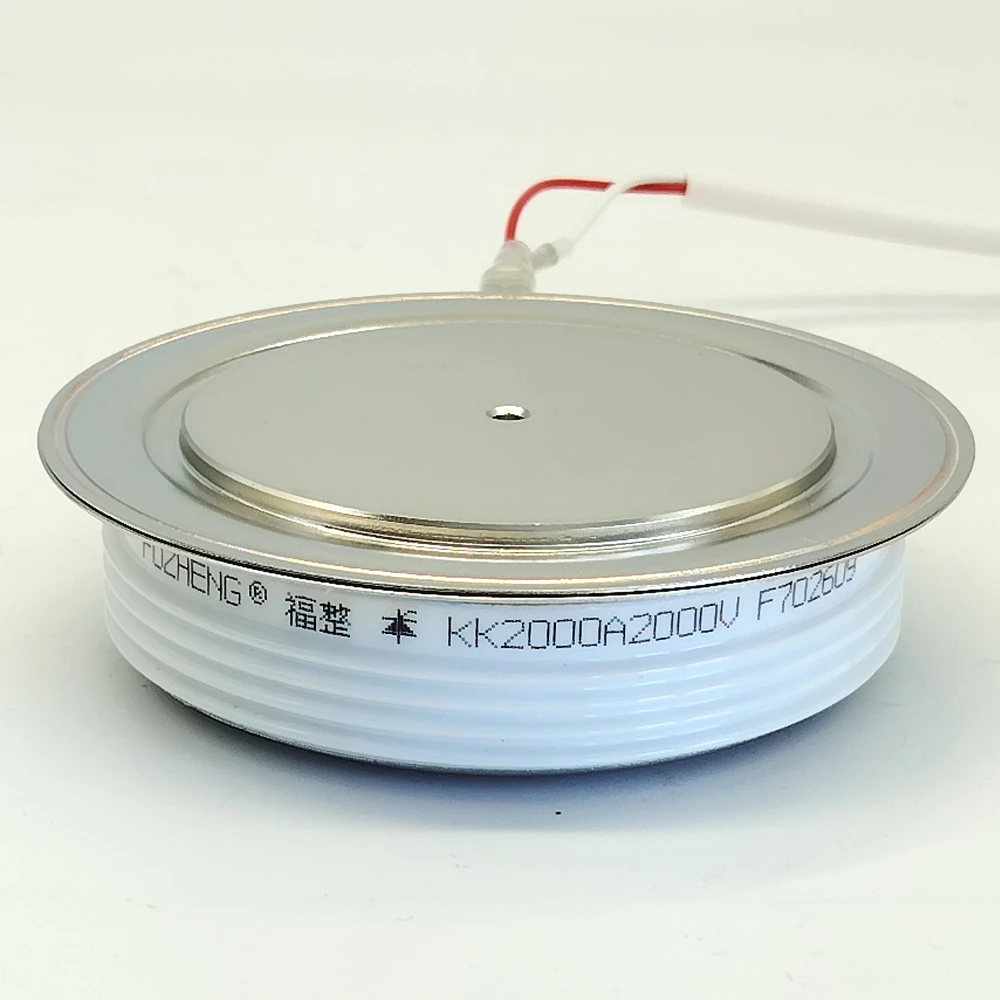
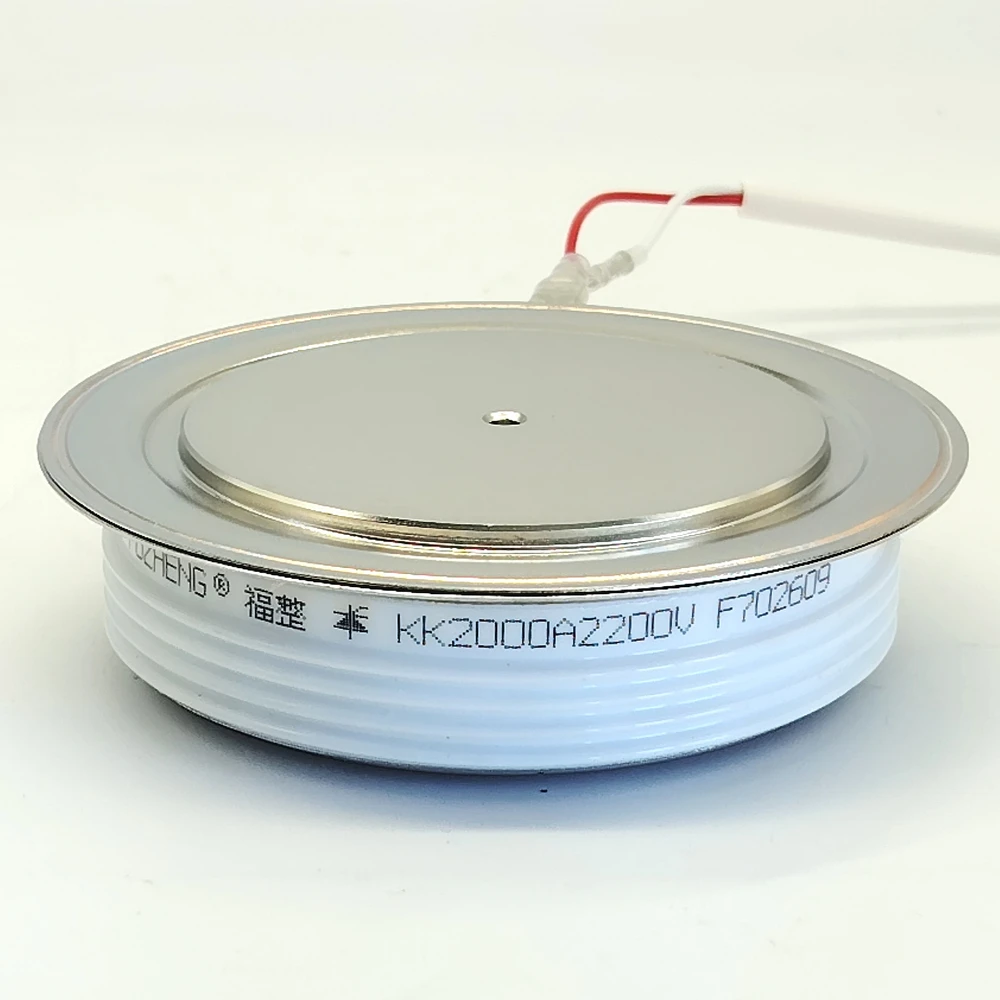
No matching models on this page.
KK fast thyristors are intended for inverter, chopper and induction-heating circuits. Selection requires checking turn-off time (tq) against the circuit's switching requirements, not just matching current and voltage classes. Review operating frequency, gate drive, current waveform and cooling together, and confirm the conditions attached to the selected model's technical data.
Provide the model, quantity and application, together with voltage, current waveform, operating frequency and cooling conditions. A drawing helps confirm mounting compatibility.
No. Check switching and trigger requirements, surge duty, package dimensions, clamping or mounting requirements, and the complete thermal arrangement.
Identify the model-specific datasheet, dimensional drawing, test records and any market-specific compliance evidence your project requires. Confirm their scope with the quotation.
Send the model or drawing, quantity, electrical conditions, cooling method and destination. Include your company name and the intended application.